Sankranthi is not just a harvest festival in South India — it is Telugu cinema's Super Bowl weekend. Studios deliberately stack their biggest releases around January 13–15, turning the holiday into a high-stakes, audience-first box office event. Audiences vote with their feet over a compressed 4-day window, and the results determine which films attract premium OTT streaming deals, which stars consolidate their status, and which studios dominate the first quarter. Sankranthi 2026 is particularly loaded — three major productions, three different genres, and the entire Telugu film industry watching.

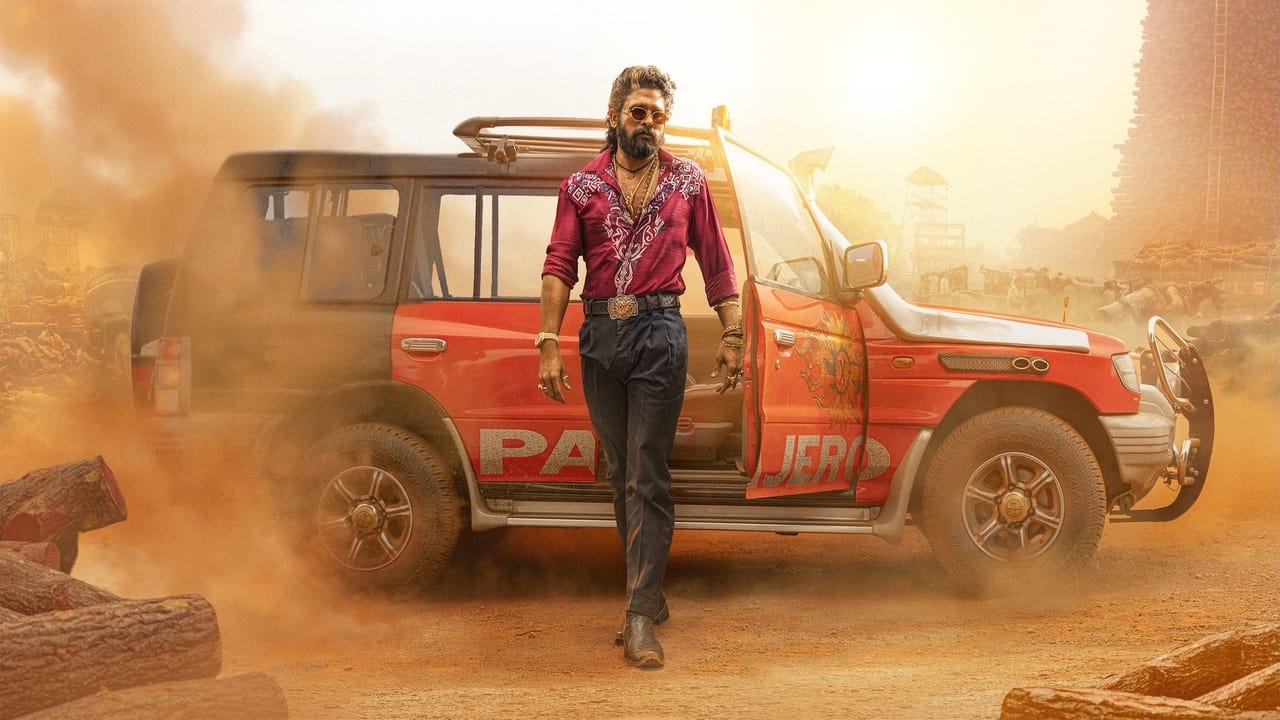
Pushpa 2: The Rule
Allu Arjun's record-breaking Telugu action franchise — Pushpa 2: The Rule is the highest-grossing Indian film, streaming on Netflix globally.
NetflixUnderstanding Sankranthi Releases
Why does Sankranthi produce such intense theatrical competition? The festival brings together the Telugu diaspora — across Telangana, Andhra Pradesh, and globally — in a shared cultural moment when cinema attendance spikes to its annual peak. Studios know that a hit film during Sankranthi carries momentum through the next three months. A miss during Sankranthi is harder to recover from than a miss at any other point in the calendar. The stakes are proportionally enormous — and they produce films that reach harder for mass entertainment than they might at any other time of year.
The 2026 Contenders
The Raja Saab (Prabhas, January 9): Prabhas — whose pan-Indian status was established by Baahubali and reinforced by Kalki 2898 AD — arrives with The Raja Saab, described as a stylish horror-comedy. The film's pre-release buzz is the largest of the Sankranthi season, driven by Prabhas' global recognition and a visual aesthetic that differentiates it from the typical mass entertainer. Director Maruthi brings his comedy instincts to what is reportedly a tone-blend audiences have not seen from Prabhas before. The OTT destination is expected to be Prime Video India.
Bhartha Mahasayulaku Wignyapthi (Ravi Teja): The Mass Maharaja returns with a family entertainer positioned directly at the festival audience — multi-generational, emotionally loud, and built for the kind of theatrical experience Sankranthi was made for. Ravi Teja's recent form has been inconsistent, making this a genuine stakes release for his mid-career standing.
Nari Nari Naduma Murari (Sharwanand): The romantic comedy challenger enters with lower expectations and therefore more room to surprise. Sharwanand's appeal to the urban Telugu audience segment gives this film a demographic lane that neither of the other two occupies, which is strategically intelligent positioning.
The Wider Indian Cinema Picture in January
While Telugu cinema dominates Sankranthi, the Tamil, Malayalam, and Bollywood film industries stage parallel January releases. Tamil cinema's major releases for 2026 are loaded into the second quarter — Rajinikanth, Kamal Haasan, and Vijay's projects are all positioned for mid-to-late year. Malayalam cinema, which has been operating at a creative and critical peak since the late 2010s, contributes smaller-scale festival releases. Bollywood's January slate is restrained compared to Telugu's aggression — a strategic difference reflecting how the Hindi industry has redistributed its tentpole ambition toward Republic Day (January 26) and beyond.
How to Watch Indian Cinema Globally
The global OTT ecosystem for Indian cinema has matured significantly. Amazon Prime Video India holds rights to the widest slate of Telugu theatrical releases, typically acquiring digital windows within four to six weeks of theatrical release. Netflix India has built a competing presence, particularly for Tamil and Hindi content. For Telugu-specific content, Aha (aha.video) is the dedicated Telugu OTT platform with exclusive originals and strong theatrical acquisition. JioCinema (jiocinema.com) handles major Bollywood releases under its Reliance-Viacom18 deal. International audiences with VPN access can reach most of these platforms — though Prime Video India content often transfers to Prime Video globally within 60–90 days.
Sankranthi is proof that Indian cinema does not follow Hollywood's seasonal playbook. It writes its own calendar — with its own pressure points, its own star system, and its own audience demands. The festival's theatrical event is finished within a week. The streaming aftermath lasts months. Both matter, and fivo.to tracks both.