The streaming landscape in 2026 looks very different from 2020. Prices have risen across every platform. Libraries have been restructured as platforms balance content spending against profitability. The race is no longer about subscriber numbers — it is about retention, which means it is about whether people keep paying month after month even when their must-watch series has finished. Here is the honest state of play two months into 2026.

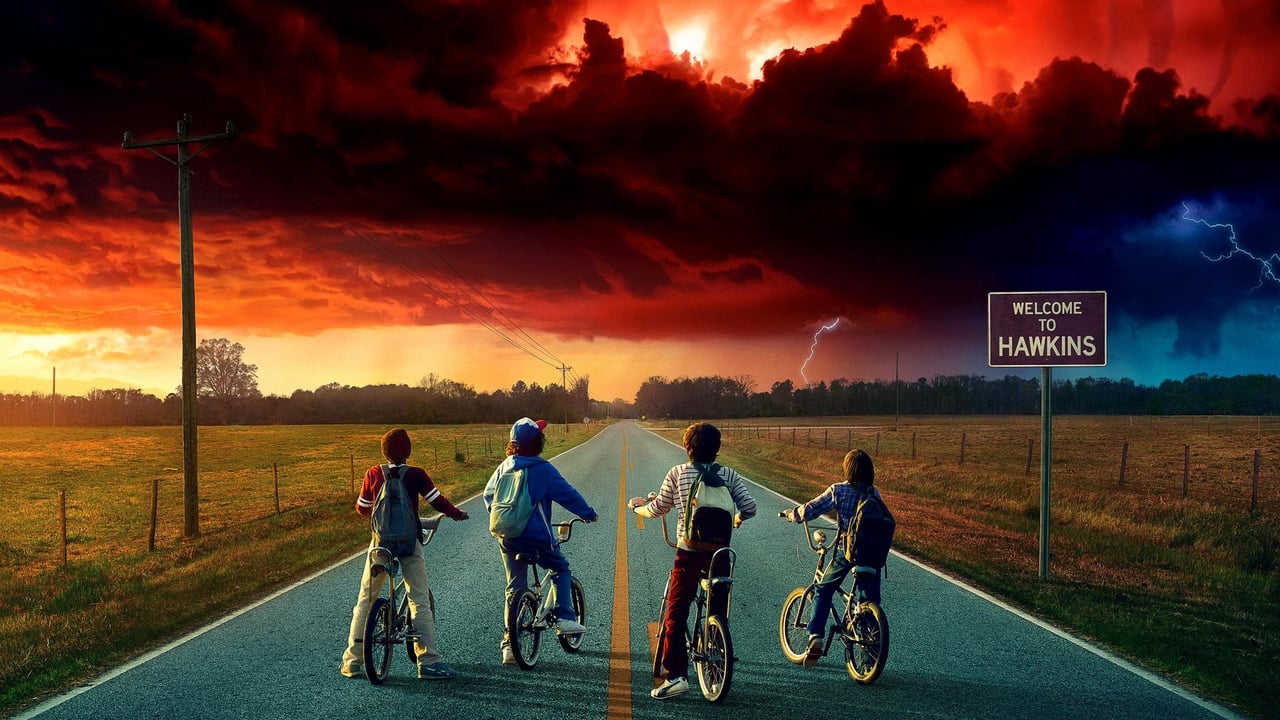
Stranger Things
Netflix's defining original series — Stranger Things remains the benchmark for streaming event television. All seasons available on Netflix.
NetflixNetflix — The Default Layer
Netflix's 2026 strategy is the most legible of the major platforms: volume plus prestige, global plus local. The platform produces more content than any competitor while simultaneously investing in prestige events (Vladimir, Peaky Blinders: The Immortal Man, The Rip) that justify the subscription cost for audiences who primarily watch two or three shows per quarter. Its international content strategy — Korean drama, Indian originals, Spanish-language LATAM, Nordic crime, Japanese anime — has diversified its appeal to the point where almost any viewer can find something that feels made for them.
The argument against: Netflix's recommendation algorithm has become genuinely frustrating for audiences who want to discover content rather than be served variations on what they already watched. The paradox of choice is real on a platform with 10,000+ titles. But the content depth justifies the criticism — the problem is surfacing it, not that it does not exist.
Prime Video — The Franchise Era
Prime Video's identity in 2026 is defined by two types of content: tentpole franchise productions (The Boys, Rings of Power) that operate at theatrical scale, and the Amazon Prime bundle advantage that makes the streaming service effectively free for anyone already using Prime shipping. The Boys Season 5 (April 8) is the platform's biggest 2026 event — a final season that has the potential to be one of the year's most talked-about television conclusions across any platform. The Night Manager (BBC/Prime co-production) demonstrates the platform's ability to access premium British content that elevates its prestige catalog.
The argument against: outside of its tentpole events, Prime Video's mid-tier content is the most inconsistent of the major platforms. Discovery is genuinely difficult on an interface designed primarily around Amazon's retail experience. The platform's strength is in events, not consistent quality depth.
Disney+ — The IP Machine With a Global Expansion
Disney+ has a bifurcated identity problem that 2026 is beginning to resolve. For Western audiences, the platform is primarily associated with Marvel, Star Wars, and the Disney animation vault — which is a deep and valuable library, but one that primarily appeals to families and franchise fans rather than the prestige drama audience that Netflix and Max are competing for. Disney+'s 2026 answer is Perfect Crown (April) — a Korean drama starring IU and Byeon Woo-seok that represents the platform's most ambitious non-Western bet to date. If this succeeds, it signals a genuine expansion of Disney+'s identity beyond IP into global prestige drama. If it does not, the platform's international growth strategy needs rethinking.
Max — The Prestige Tier That Lost Its Name
Max's fundamental challenge in 2026 remains the same it has faced since the HBO Max rebrand to Max: audiences associate prestige television with HBO (Succession, The Wire, Game of Thrones), but the platform's identity has been blurred by the Max rebrand that positioned HBO's content alongside Warner Bros. Discovery's broader library. The content quality has not declined — HBO's development process continues to produce some of the most critically acclaimed television in the medium. But the brand signal has weakened. The practical recommendation: if you watch prestige television drama and want the deepest library of acclaimed drama in streaming, Max's HBO catalog is irreplaceable. The rest of the platform is supplementary.
Apple TV+, Peacock, Paramount+ — The Specialists
Apple TV+ operates as the premium craft tier — smaller volume, higher consistent quality, no filler. Severance, Ted Lasso, The Morning Show, and Slow Horses have established a distinct identity: Apple TV+ is where you subscribe for a specific show and stay because the other originals are better than you expected. Peacock is primarily useful for its NBC back catalog, live sports, and theatrical Paramount/Universal films that go through the Peacock streaming window. Paramount+ justifies a subscription primarily for Star Trek, Halo, and Scream's streaming home.
The Honest Recommendation
Based on 2026's content calendar, the most defensible full-year subscription combination is Netflix (for volume, global diversity, and event titles) plus one specialist platform based on your specific interests: Max for prestige HBO drama, Apple TV+ for craft-focused originals, Disney+ for franchise and Korean drama, Crunchyroll for anime. Prime Video is effectively free with Prime shipping, making it a bonus rather than a choice.
For audiences with limited budgets: Netflix alone covers approximately 70% of the most talked-about content in any given month. For audiences who want the remaining 30%: a monthly rotation strategy — subscribing for a specific season, cancelling, and returning for the next — is more financially rational than maintaining five simultaneous subscriptions. There is no universal answer. The best streaming strategy in 2026 is surgical, not comprehensive.